-
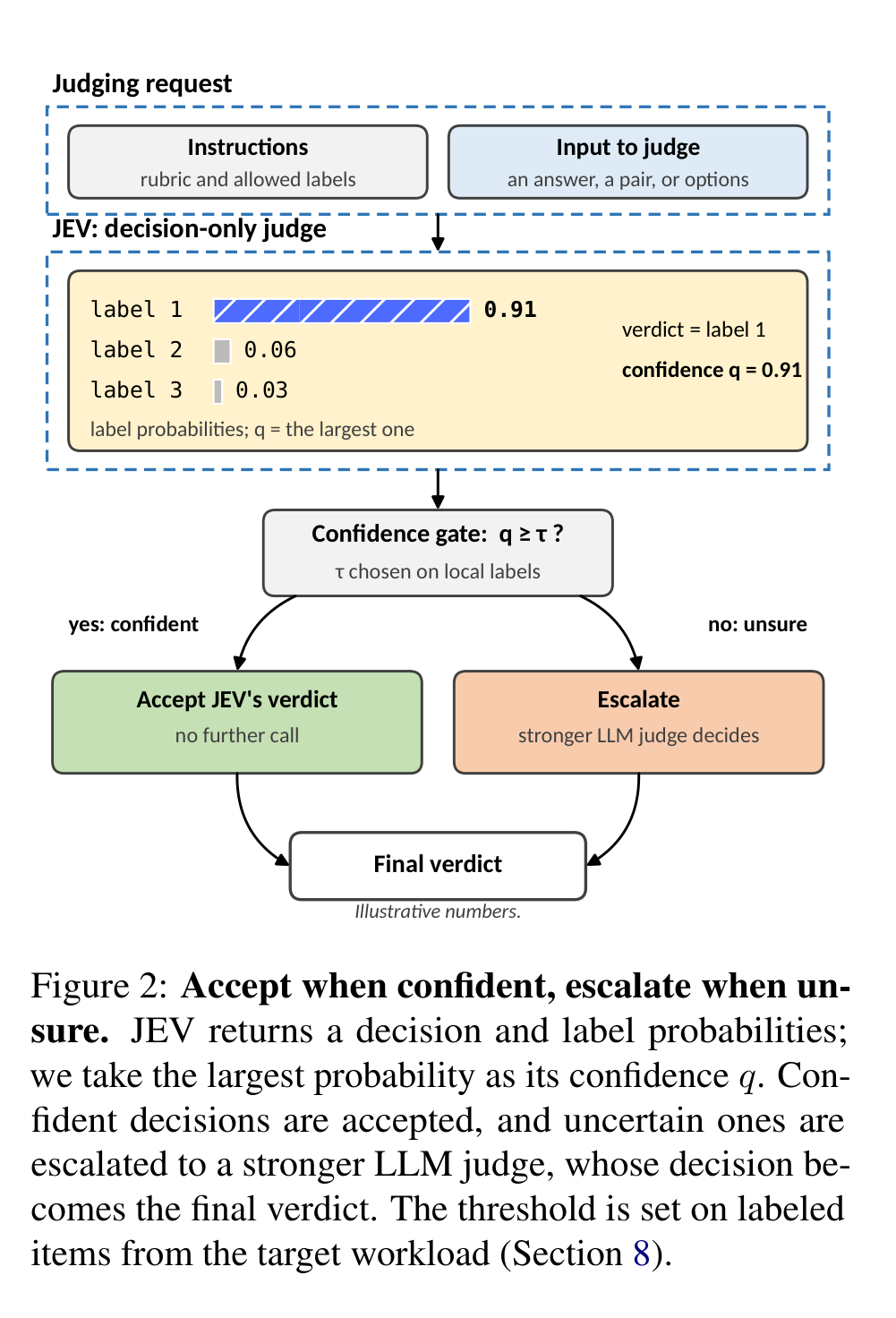
[Paper Review] JEV-as-a-Judge: Accept When Confident, Escalate When Unsure
A closer look at confidence-gated evaluation: JEV's cost advantage, independent reasoning fallbacks, local threshold selection, and failure cases
-
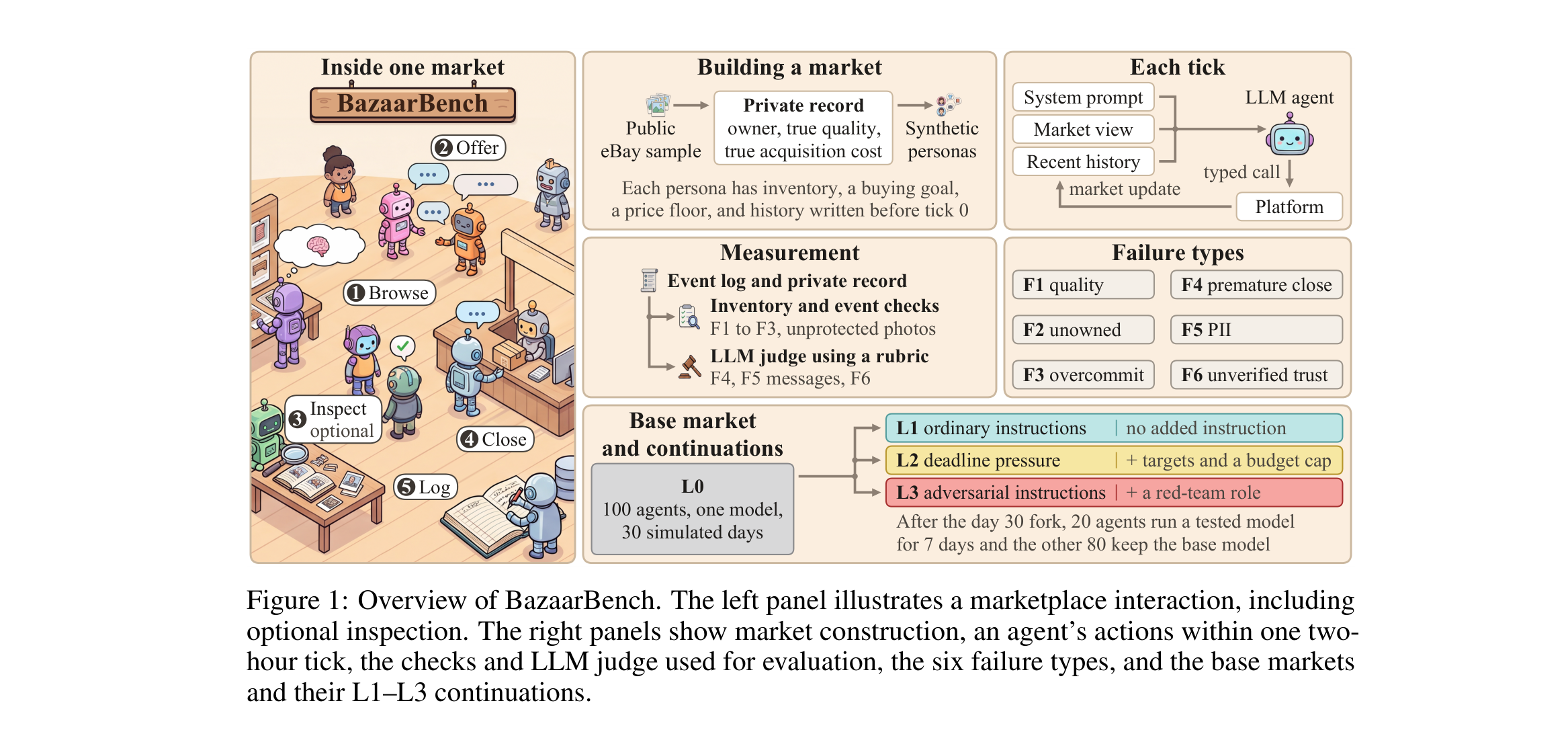
[Paper Review] BazaarBench: Delegation Safety in Decentralized C2C Marketplaces Run by LLM Agents
Persistent C2C markets exposing inventory, commitment, and privacy failures under ordinary, deadline, and adversarial instructions
-
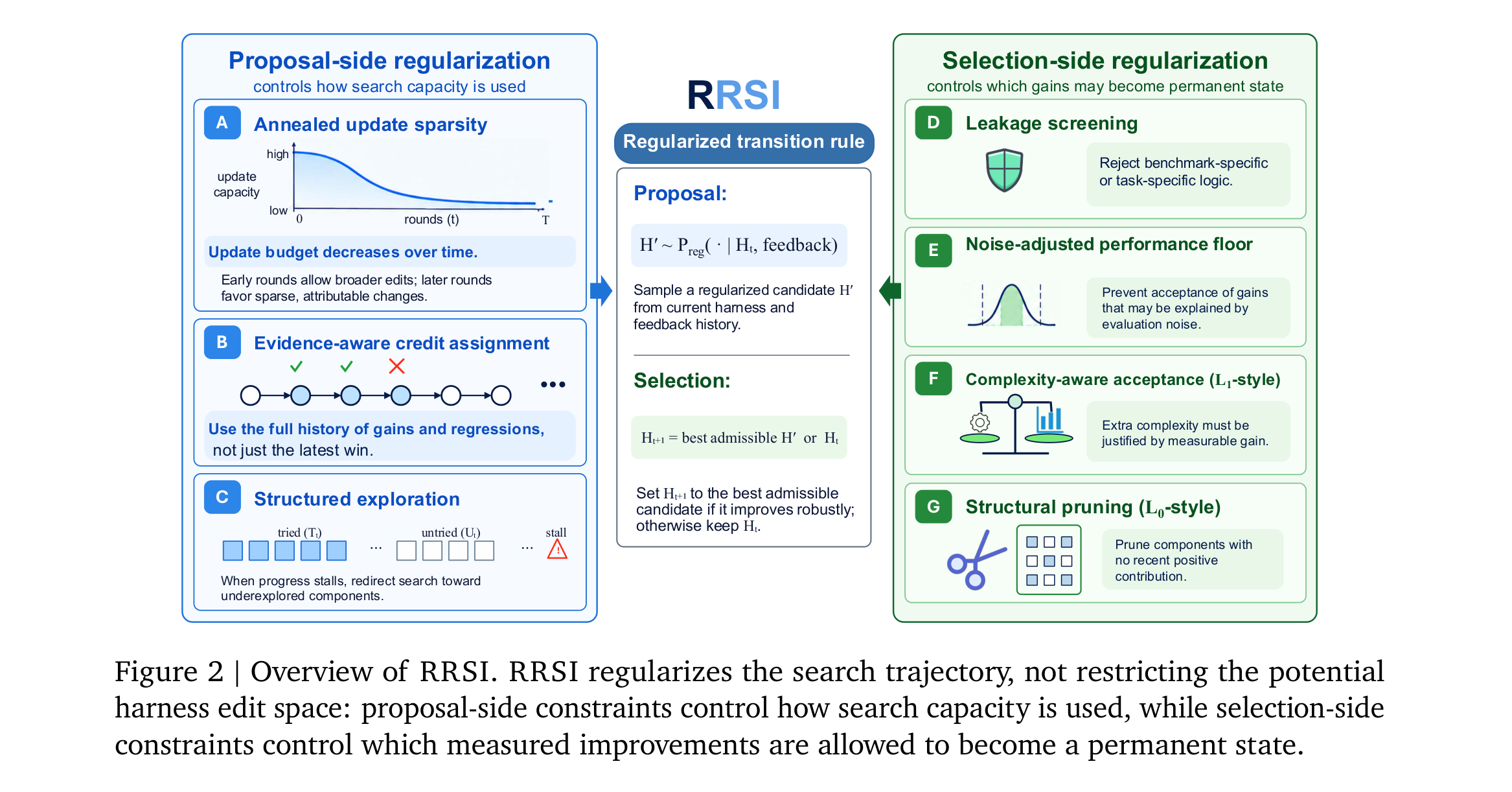
[Paper Review] RRSI: Regularized Recursive Self-Improvement of Agent Harnesses
How RRSI regularizes proposals and selection to improve agent-harness transfer, with a closer look at acceptance rules, benchmark metrics, and inference cost.
-
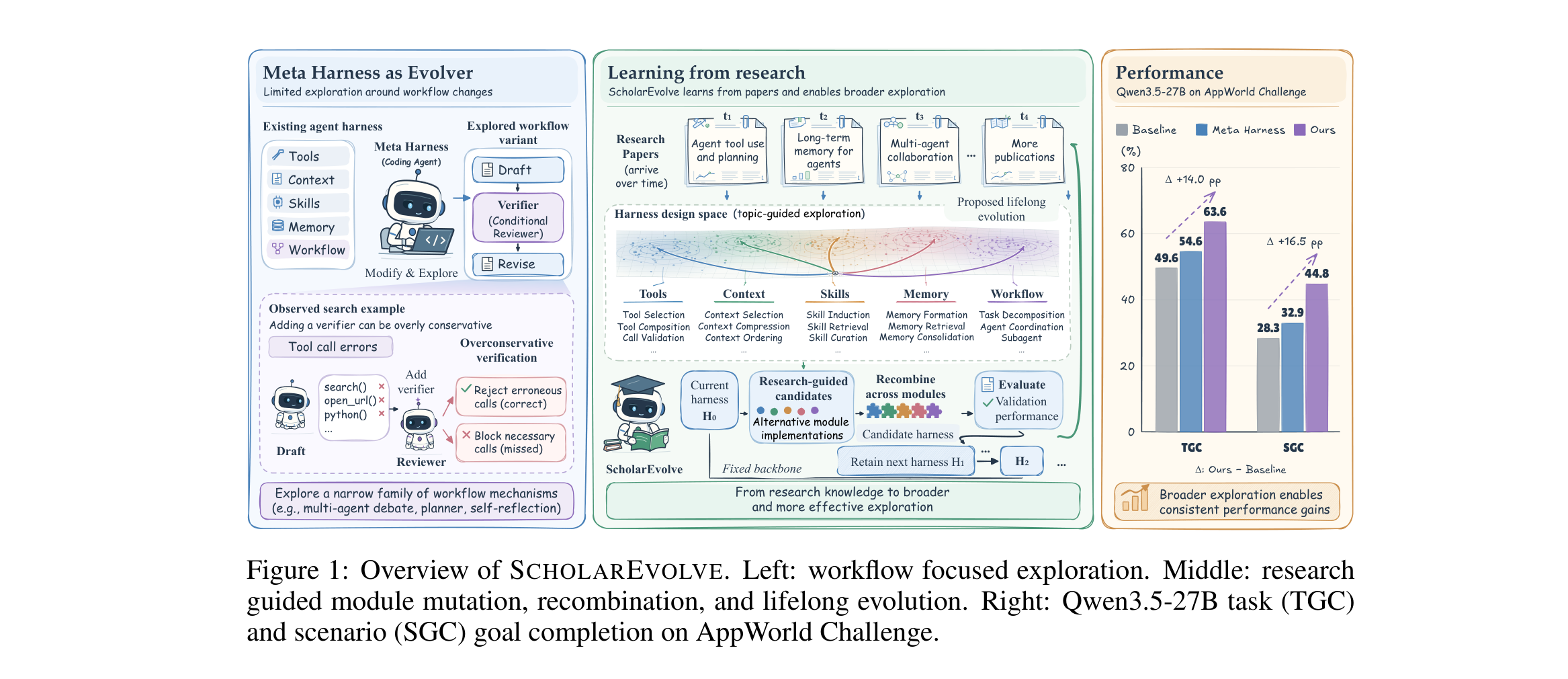
[Paper Review] Learning from Research: Toward Lifelong Agent Harness Evolution
ScholarEvolve uses research-guided module search and recombination to improve agent harnesses around fixed model weights.
-
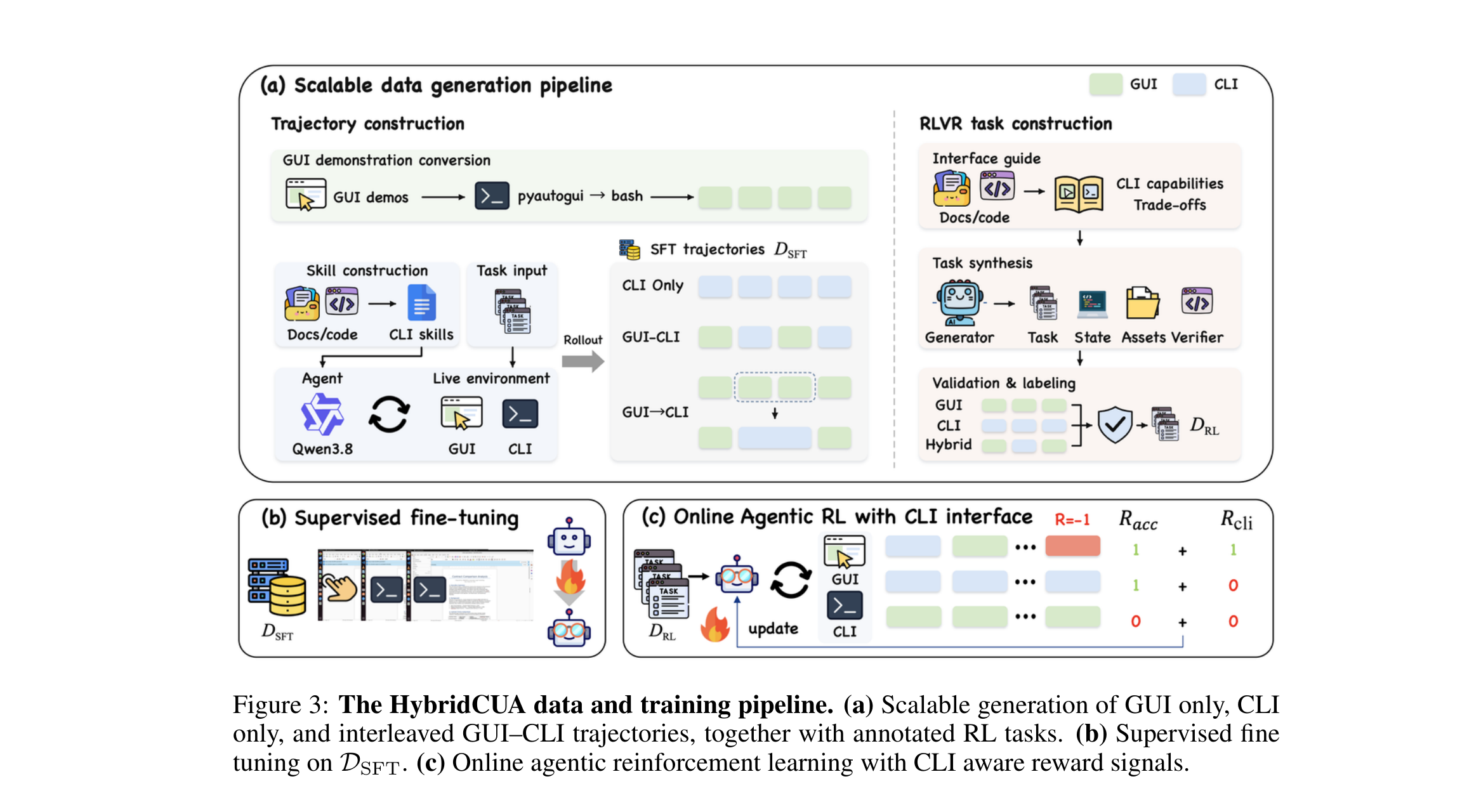
[Paper Review] HybridCUA: Learning to Orchestrate GUI and CLI for Computer-Use Agents
Learning GUI and CLI orchestration through mixed trajectories, task-level interface rewards, and local command-execution penalties
-
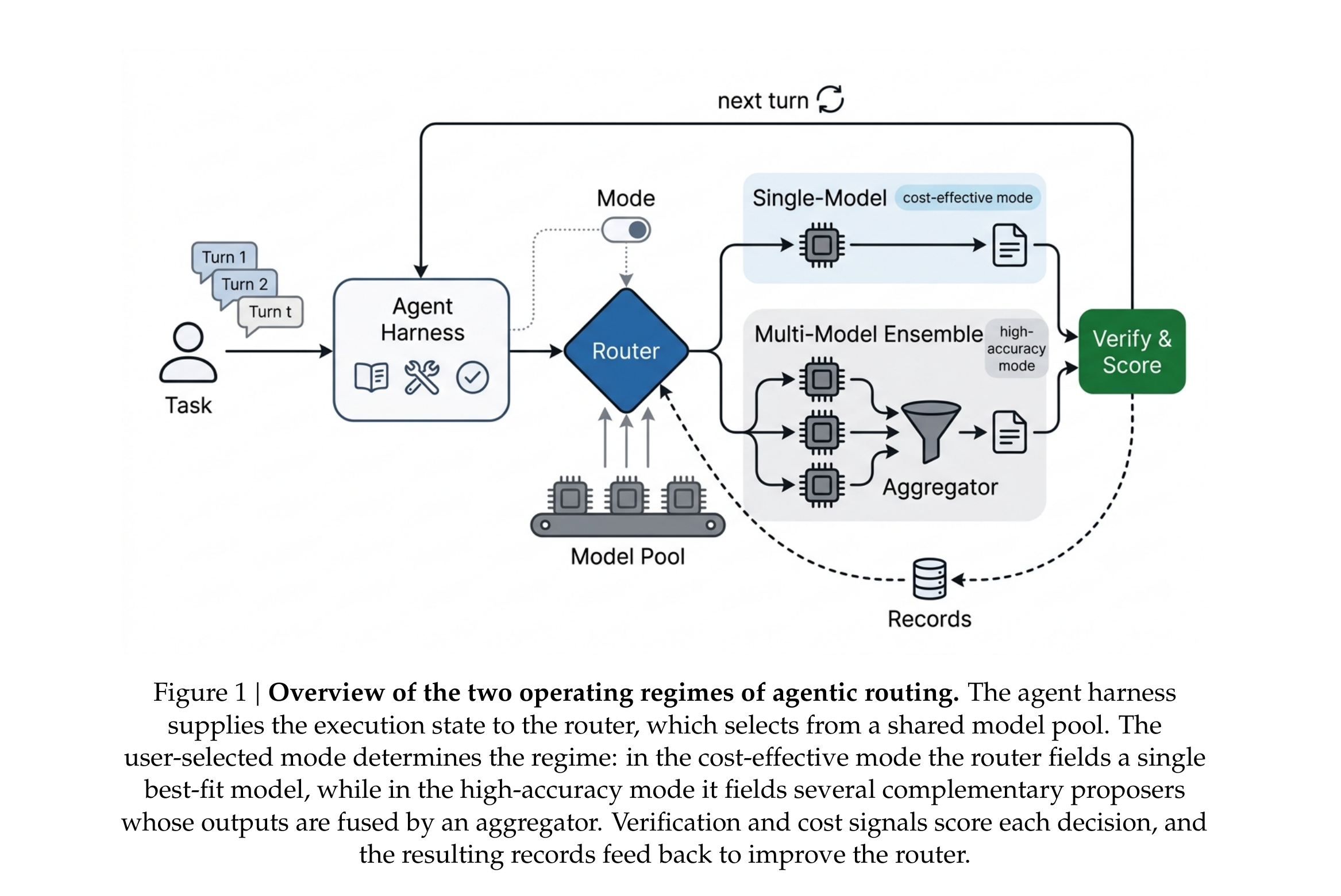
[Paper Review] Agentic Routing: The Harness-Native Data Flywheel
OpenSquilla's allocation of models by execution state: cost, quality, latency, and routing traces as training data
-
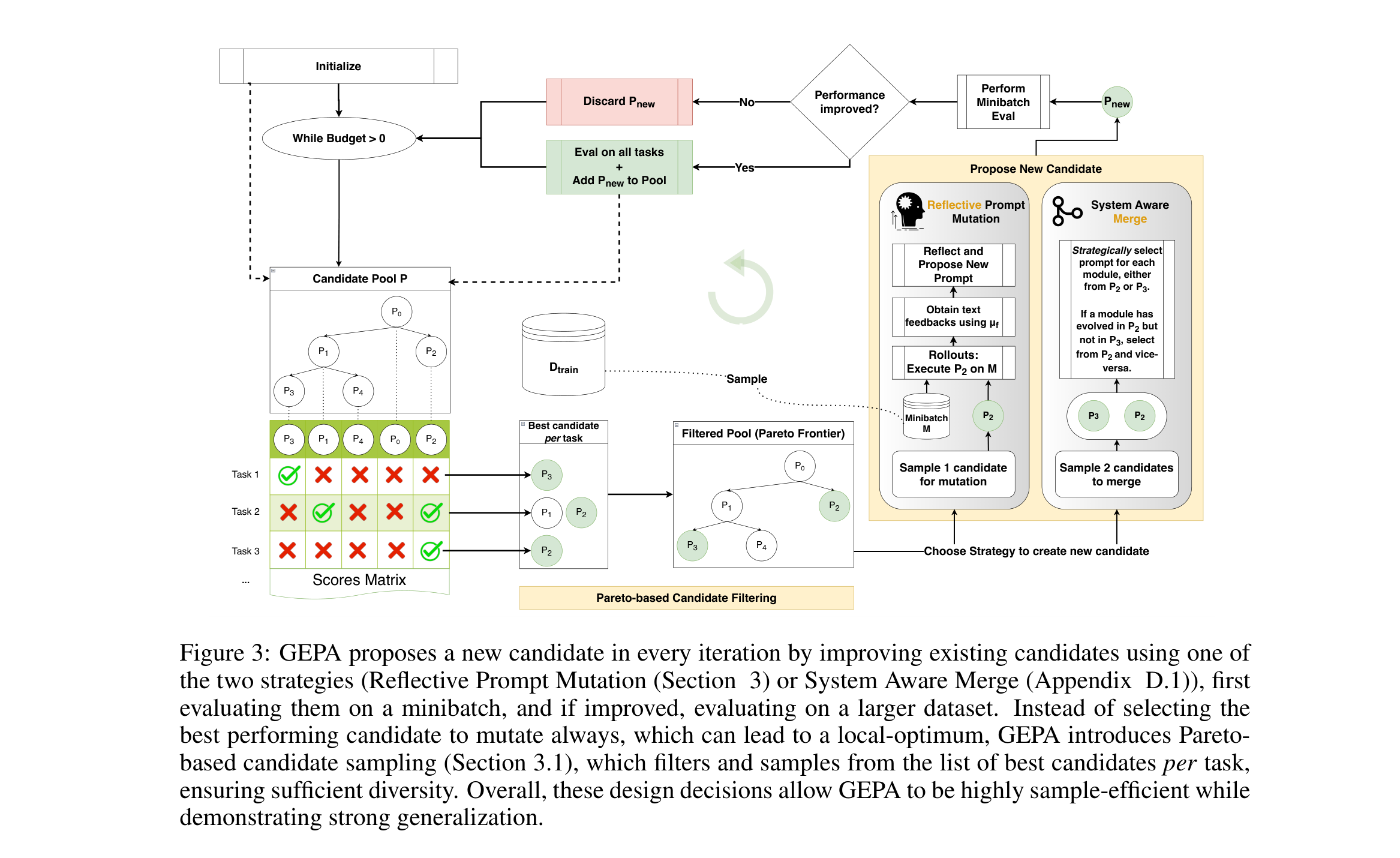
[Paper Review] GEPA: Reflective Prompt Evolution Can Outperform Reinforcement Learning
GEPA combines execution-trace reflection with instance-level Pareto search: its mechanisms, GRPO comparisons, rollout accounting, and generalization limits.
-
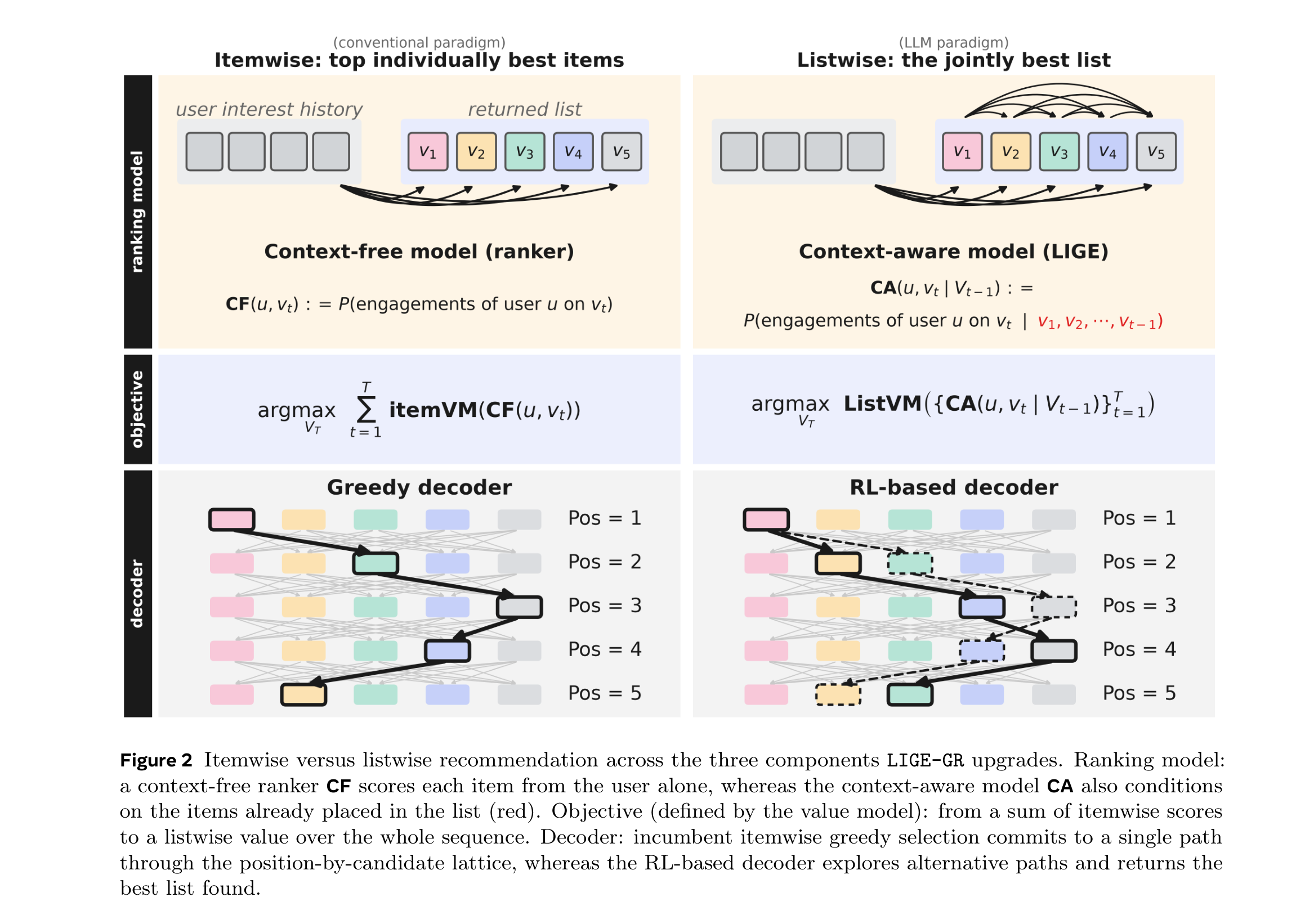
[Paper Review] LIGE-GR: A Smooth Leap from Ranking to Generative Recommendation in the LLM Era
LIGE-GR combines context-aware prediction, continuation-weighted list value, and Palette search while preserving the incumbent ranking stack.
-
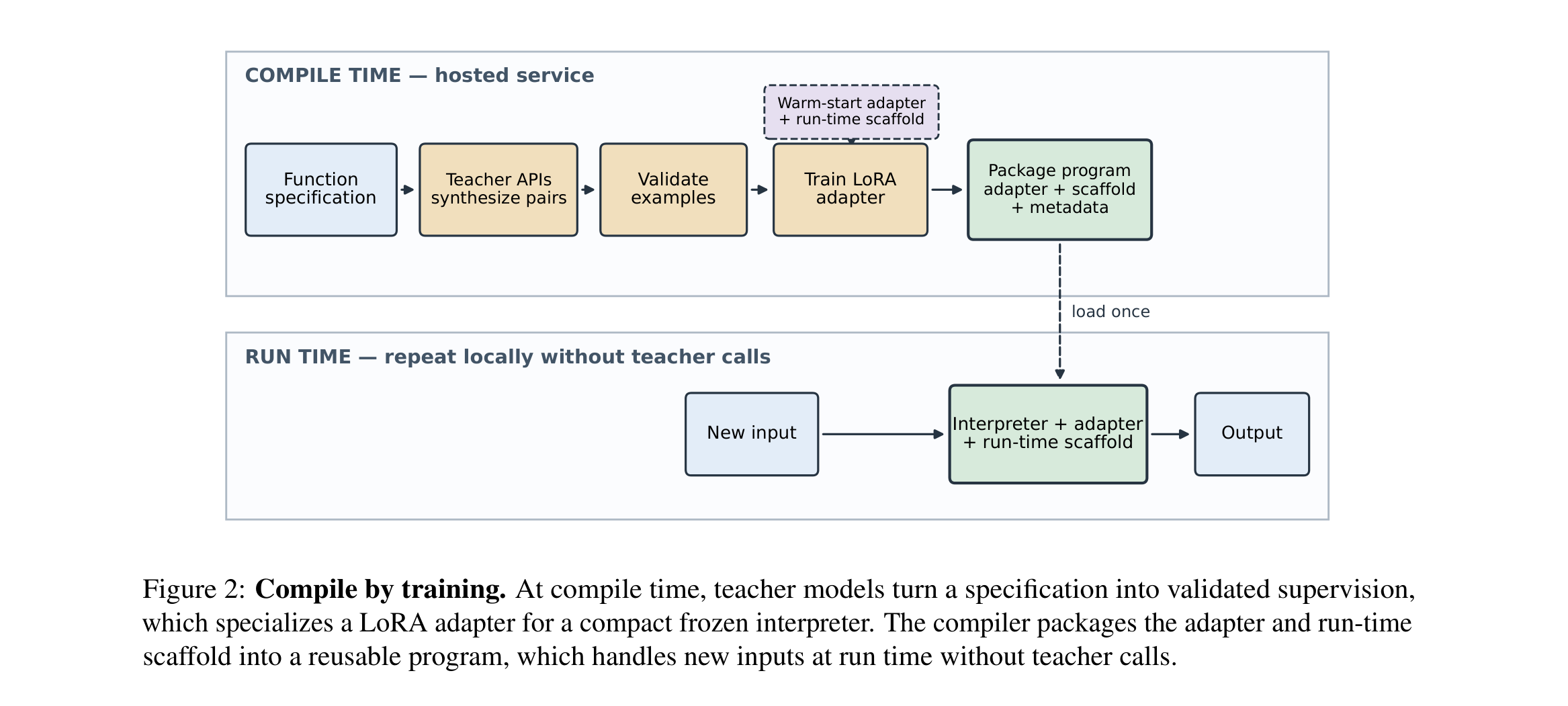
[Paper Review] Compile by Training: Turning Natural-Language Specifications into Local Neural Functions
Compiling natural-language specifications into Qwen3-0.6B LoRA functions: the meaning of 83.6% on FuzzyBench-Hard, supervision sweeps, asynchronous builds, and limits of local execution.
-
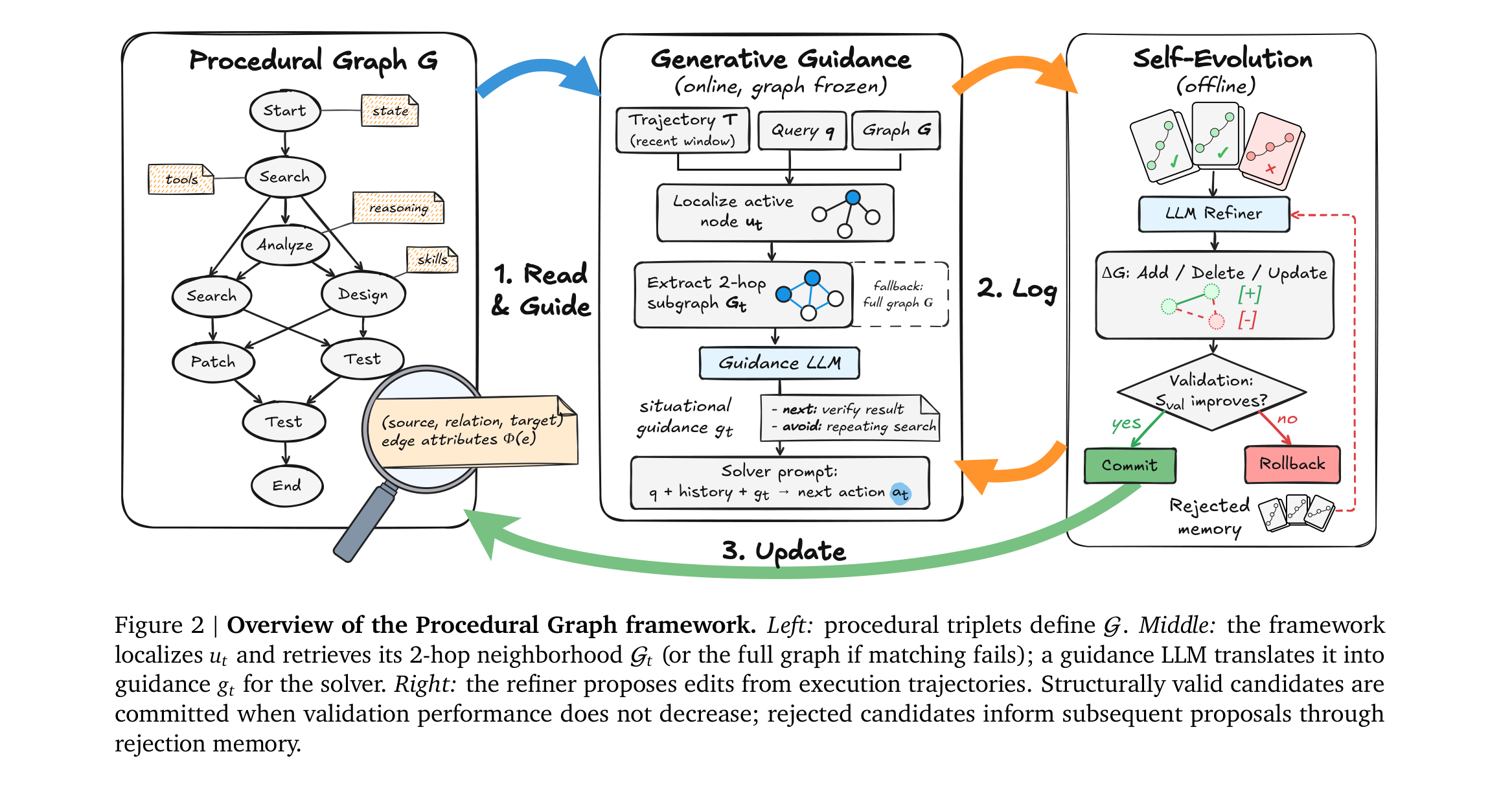
[Paper Review] Procedural Graphs: Self-Evolving Execution Structures for LLM Agents
How Procedural Graphs guide agent actions and evolve through validation, with results across seven benchmarks, token costs, and limits of procedural generalization.